Since its founding in 1857, Lake Forest College has been shaped by the individuals who have led it through different periods of growth, change, and transformation.
From its early years as Lake Forest University to the liberal arts college it is today, each president has played a part in shaping the institution's history, academic life, and relationship with the surrounding community. Explore the stories of the people who have helped guide Lake Forest College throughout its history, drawing on photographs and historical materials preserved in the College Archives.
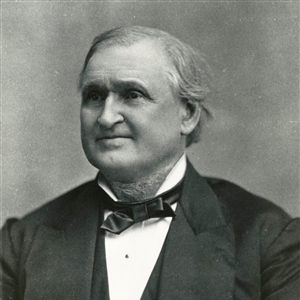
Reverend Robert W. Patterson (1875-1878)
American Presbyterian minister, theologian, and educator who played an important role in the founding of Lake Forest, Illinois, and Lake Forest University. Born in Tennessee, he graduated from Illinois College in 1837 and studied theology at Lane Theological Seminary in Ohio. Patterson helped establish the Lake Forest Association in 1856, an organization that secured land and resources for the development of both the town and its educational institutions. He later served as president of Lake Forest University and taught Christian theology and ethics. He died in Evanston, Illinois, in 1894.
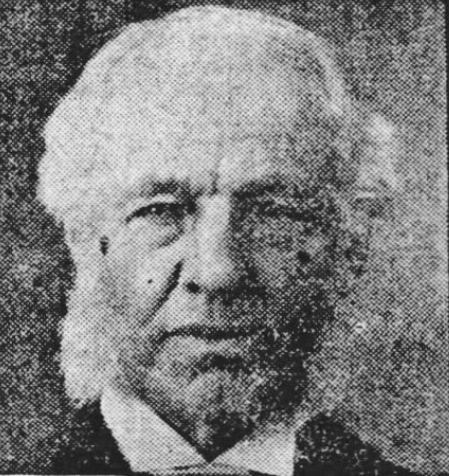
John Haskell Hewitt (1878 Spring)
Educator, Presbyterian minister, and classical scholar specializing in Greek and Latin. Born in Preston, Connecticut, he graduated from Yale University in 1859 and later studied at Yale Divinity School, earning a degree in 1863. In 1875, Hewitt joined the faculty of Lake Forest College, teaching Greek and Latin. He briefly served as acting president of Lake Forest University. He subsequently moved to Williams College in Massachusetts, where he taught ancient languages and Greek for several decades and served as acting president.
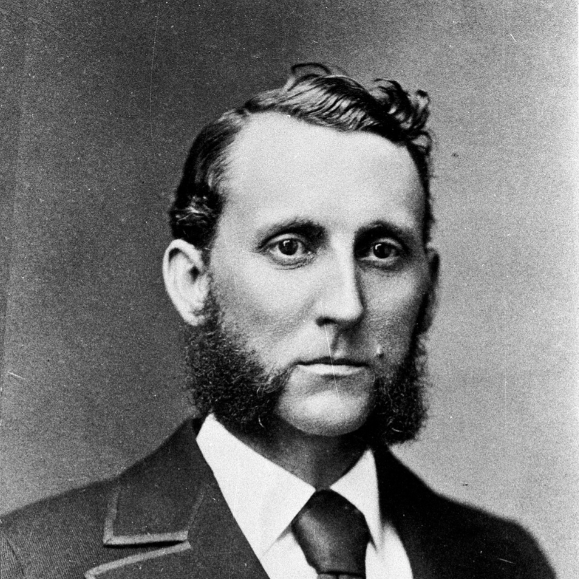
Reverend Daniel Gregory (1978-1886)
A graduate of Princeton College and Princeton Theological Seminary, Gregory previously served as a pastor and professor at several institutions, including the University of Wooster. During his presidency, he also taught Christian philosophy and supported the development of student life, overseeing the establishment of the Zeta Epsilon Literary Society in 1880, one of the College's earliest student organizations. His administration also saw early efforts to establish a College publication. His wife, Harriet Byram Gregory, also contributed to the College by founding a Ladies Aid Society to raise funds for the institution. After leaving Lake Forest, Gregory continued his work in ministry, publishing, and religious scholarship.
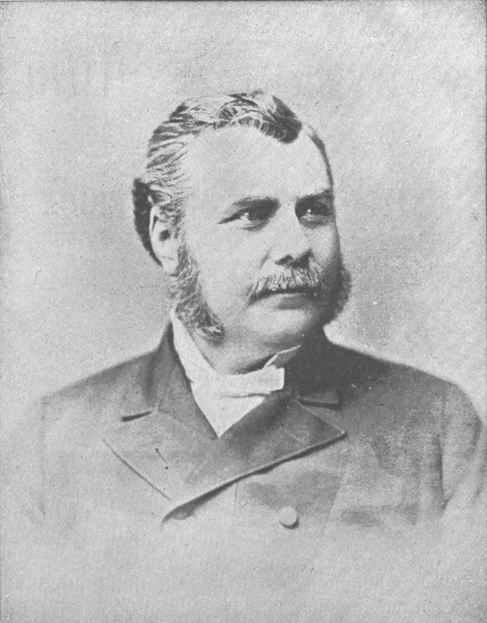
Reverend William C. Roberts (1886 -1892)
Welsh-American Presbyterian minister and academic administrator. Born in Aberystwyth, Wales, he graduated from Princeton University in 1855 and Princeton Theological Seminary in 1858. During his presidency at Lake Forest, Roberts sought to strengthen the institution's financial resources and academic standing. After leaving Lake Forest in 1892, he returned to Presbyterian missionary leadership before becoming president of Centre College in Kentucky in 1898.
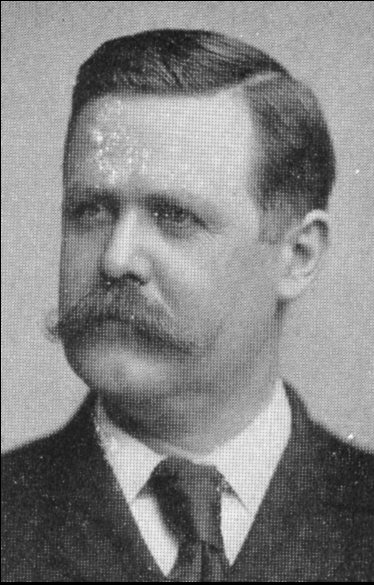
Dr. John M. Coulter (1893- 1896)
Botanist, educator, and academic administrator. Born in Ningbo, China, to American missionary parents, he received his undergraduate degree from Hanover College in Indiana in 1870 and later earned a Ph.D. from Indiana University. During his career, he became a prominent figure in American botanical research and higher education. After leaving Lake Forest, he joined the University of Chicago, where he chaired the Department of Botany and helped advance botanical education and research.
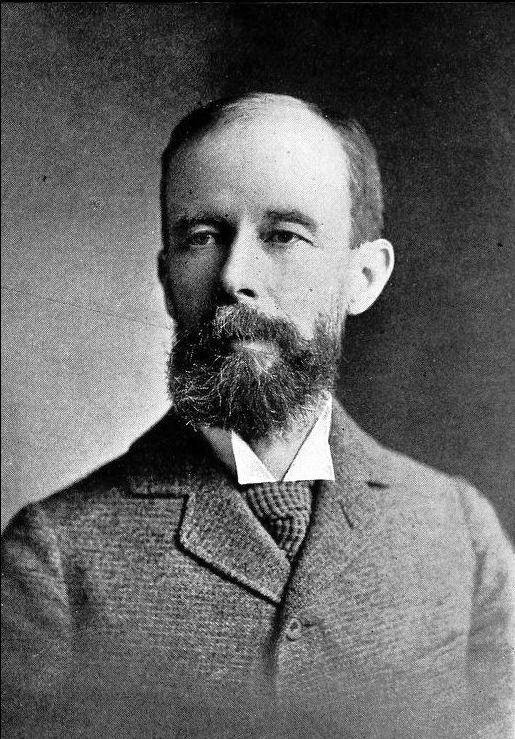
John J. Halsey (1897-1901)
Twice Acting President of Lake Forest College, serving from 1896 to 1897 and again from 1906 to 1907. A graduate of the University of Chicago, he joined Lake Forest College in 1878 as a professor of political science and English, later becoming the D. K. Pearson Professor of Political and Social Science. He also served as Dean of the Faculty from 1899 to 1901 and briefly led the Department of Economics at Stanford University. Beyond his academic work, Halsey was actively involved in the Lake Forest community, serving as an alderman, president of the Library Board, and chairman of the Board of Education. In 1912, he co-authored a history of Lake County, Illinois, and was also an advocate for women's suffrage.
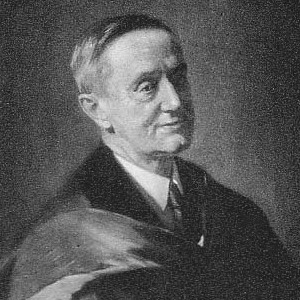
Revered James Gore King McClure (1897-1901)
Presbyterian minister, author, and president of Lake Forest University from 1897 to 1901, having previously served as Acting President during the 1892–1893 academic year. A graduate of Yale University and Princeton Theological Seminary, McClure became pastor of the First Presbyterian Church of Lake Forest in 1881, where he served for approximately twenty-five years. He played an important role in the religious and civic life of the community while contributing to the development of the College. During his presidency, he supported the expansion of the College's campus, overseeing the construction of Lois Durand Hall and Reid Hall and Holt Chapel.
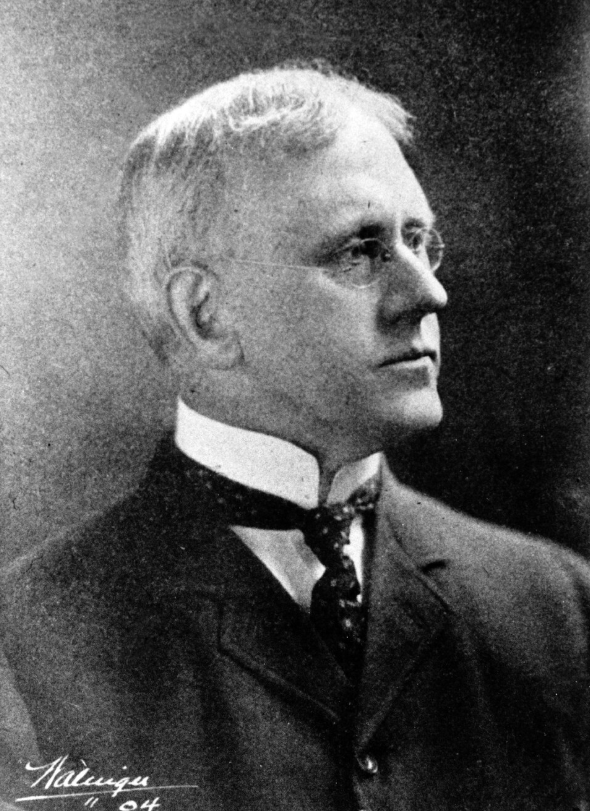
Richard D. Harlan (1901- 1906)
A graduate of Princeton University and Princeton Theological Seminary, he served as a pastor in New York City and Rochester before joining Lake Forest. During his presidency, Harlan represented the College in the organization of the Presbyterian College Union and introduced preventive measures during a scarlet fever outbreak in 1903, including quarantining the campus. He also took a firm stand against student hazing, threatening expulsion for those who refused to pledge not to participate. After leaving Lake Forest, he directed financial development efforts at George Washington University from 1907 to 1910. In 1907, the College named Harlan Hall in his honor.
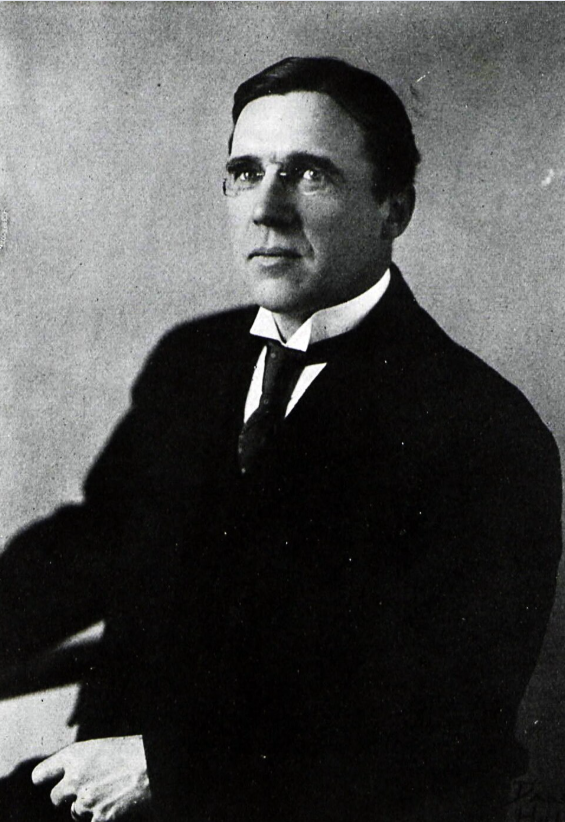
John S. Nollen (1907-1917)
After earning his bachelor’s degree from the University of Iowa, he pursued doctoral studies at the University of Leipzig and taught modern languages at Iowa College and German at Indiana University. During his presidency at Lake Forest, Nollen reinstated mandatory student attendance at chapel in 1910 and established the Department of Citizenship in 1911. He also served as an Illinois representative to the YMCA and was elected president of the Association of American Colleges in 1917. That November, he took a leave of absence to undertake YMCA war work in Italy and resigned from the presidency the following month. After serving with the YMCA and YWCA in Italy, he returned to Grinnell College, where he served as dean and later president from 1931 to 1940.
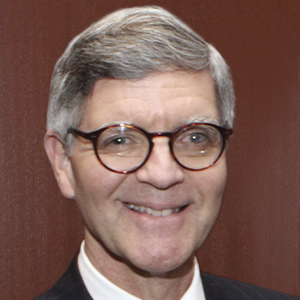
Henry Wilkins Wright (1918- 1920)
Served as Acting President of Lake Forest College from January 1918 to the spring of 1920. He assumed the position following John Scholte Nollen’s departure in December 1917 and led the College during the transition before Herbert M. Moore became president.
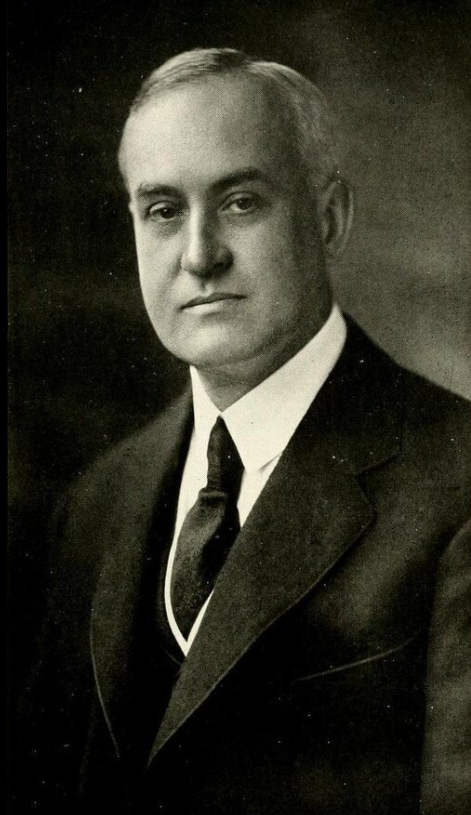
Herbert M. Moore (1920-1942)
A graduate of Lake Forest College’s class of 1896, he later earned a Bachelor of Divinity degree from McCormick Theological Seminary and pursued graduate studies in Scotland. Before returning to his alma mater, Moore served as a Presbyterian minister in several communities and held positions at Cornell University and the University of Pittsburgh. During his presidency, he oversaw the separation of Lake Forest Academy and Ferry Hall from the College, supported student life by donating funds for the establishment of a student band, and introduced a faculty counseling system to support students academically and personally.
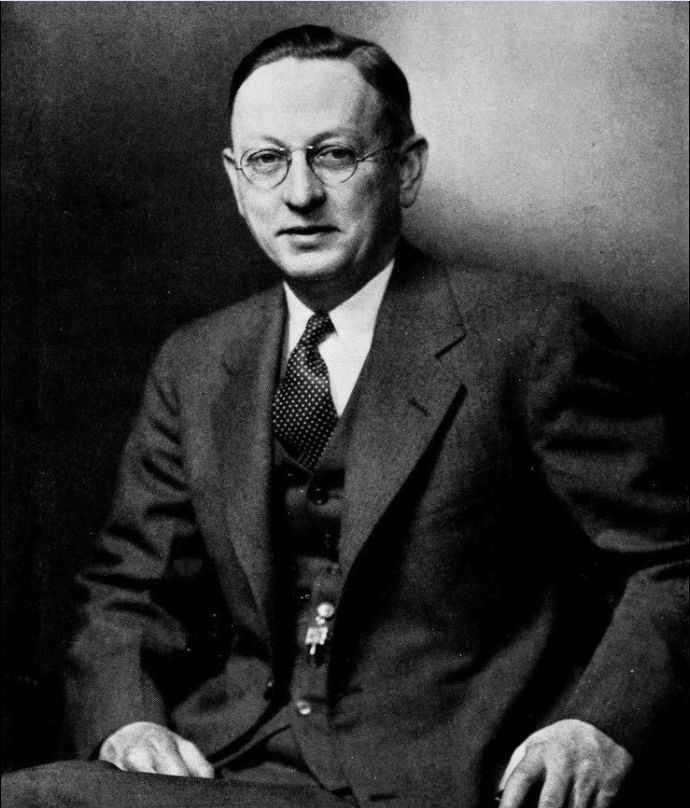
Ernest Johnson (1942-1959)
Johnson joined Lake Forest College in 1924 as an instructor in economics and gradually advanced to become chair of the Department of Economics and Business Administration. Appointed acting president in January 1942 following Herbert M. Moore’s retirement, he was formally named president in October 1943. During his presidency, Johnson guided the College’s response to World War II, including the development of training programs for military personnel and industrial workers. He also oversaw the College’s acquisition of the former Lake Forest Academy campus in 1947 and led a major Centennial fundraising campaign to support new buildings and expand the endowment.
John R. Howard (1959-1960)
Joined Lake Forest College in 1958 as Vice President and later served as Acting President. Previously, he worked at the University of Pennsylvania as an instructor and business manager. At Lake Forest, he brought his administrative experience from a large university to a small liberal arts institution. In 1960, he became the second president of Lewis & Clark College in Portland, Oregon, serving for 21 years.
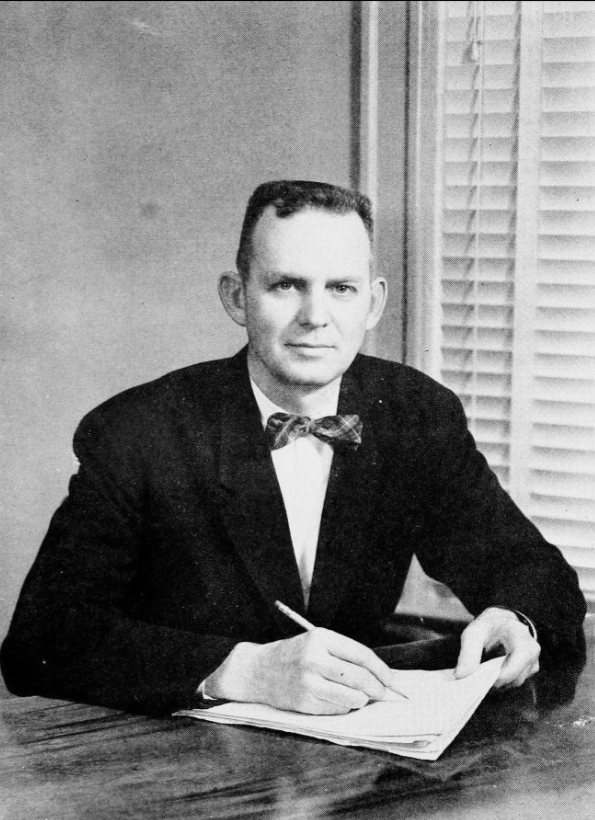
William L. Dunn (1960- 1969)
A longtime academic administrator at Lake Forest College who served as Provost, Academic Vice President, and Dean of the Faculty. A 1941 graduate of the University of Wisconsin, "Dean Dunn" oversaw faculty affairs, academic programs, and major campus events, while also stepping in twice as Acting President during leadership transitions in the summer of 1960 and the 1969–1970 academic year, a period marked by significant student activism. To honor his lasting dedication to academic standards and faculty development, the college established the prestigious William L. Dunn Award for Outstanding Teaching and Scholarly Promise.
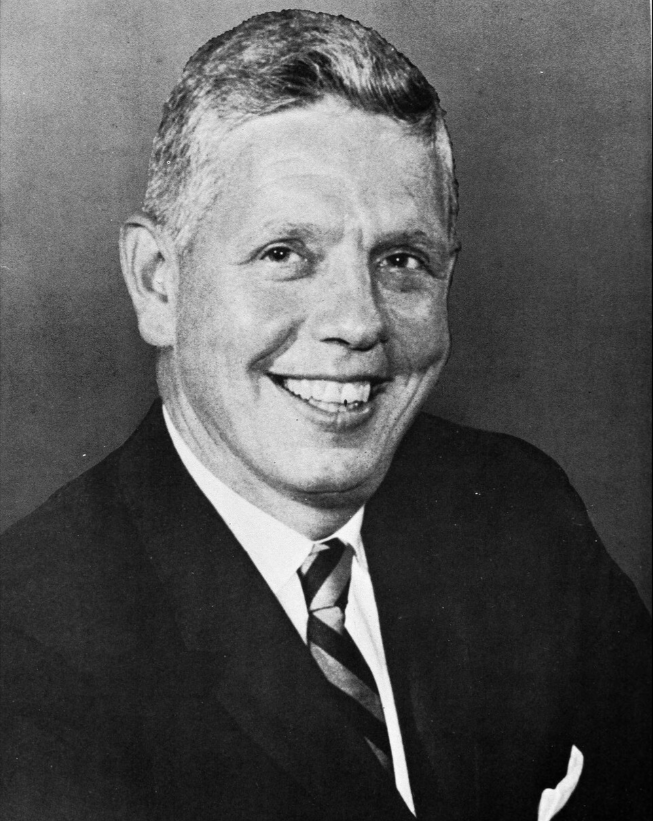
William Graham Cole (1960- 1969)
Before arriving at Lake Forest, he taught at Harvard University and served as dean of the chapel at Williams College in Massachusetts. During his presidency, Cole helped transform Lake Forest College during a period of significant institutional growth. He brought faculty and students from the East Coast, contributing to the diversification of the campus community. His administration oversaw the construction of several major campus facilities, including the Johnson Science Center, Donnelley Library, Durand Commons, new South Campus residence halls, and the Sports Center. In 1965, during his tenure, the institution officially adopted the name Lake Forest College.
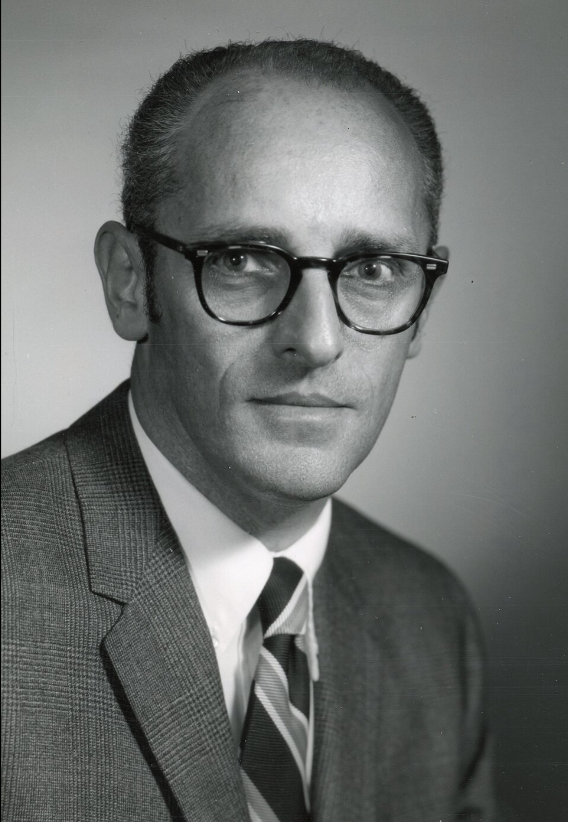
Eugene Hotchkiss III (1970- 1993)
A visionary leader, trusted mentor, and cherished neighbor who helped shape Lake Forest College and the community beyond. Born in the Chicago area, he graduated from Dartmouth College in 1950 and earned a Ph.D. from Cornell University in 1960. During his 23-year presidency, Hotchkiss helped strengthen the College's financial stability and academic reputation. He supported higher academic standards, expanded programs in the sciences and economics, and helped the College join the Associated Colleges of the Midwest. In recognition of his contributions, Lake Forest College renamed its North Gym Hotchkiss Hall in 1993 and awarded him an honorary Doctor of Laws degree.
David Spadafora (1993-2001)
American historian, educator, and academic administrator. He earned his bachelor's degree in history from Williams College in 1972 and his Ph.D. from Yale University in 1981. Before becoming president, Spadafora taught at Yale University and served as dean of the faculty at Lake Forest College from 1990 to 1993. His administration encouraged a more integrated undergraduate curriculum and supported the development of academic programs, including majors in communications and theater.
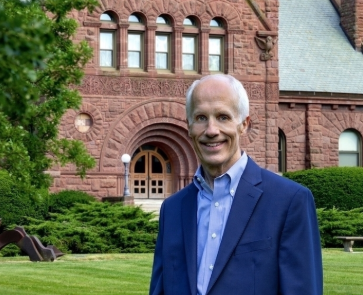
Stephen D. Schutt (2001- 2022)
Earlier in his career, he practiced law, worked as deputy secretary of Pennsylvania's Department of Labor and Industry, and served as chief of staff to U.S. Senator Harris Wofford. During his 21-year presidency, Schutt oversaw substantial growth and institutional development at Lake Forest College. Enrollment increased, fundraising campaigns raised more than $300 million, and approximately $200 million was invested in campus improvements. His administration supported new academic programs in data science, neuroscience, finance, entrepreneurship, health professions, and African American and Latinx Studies.
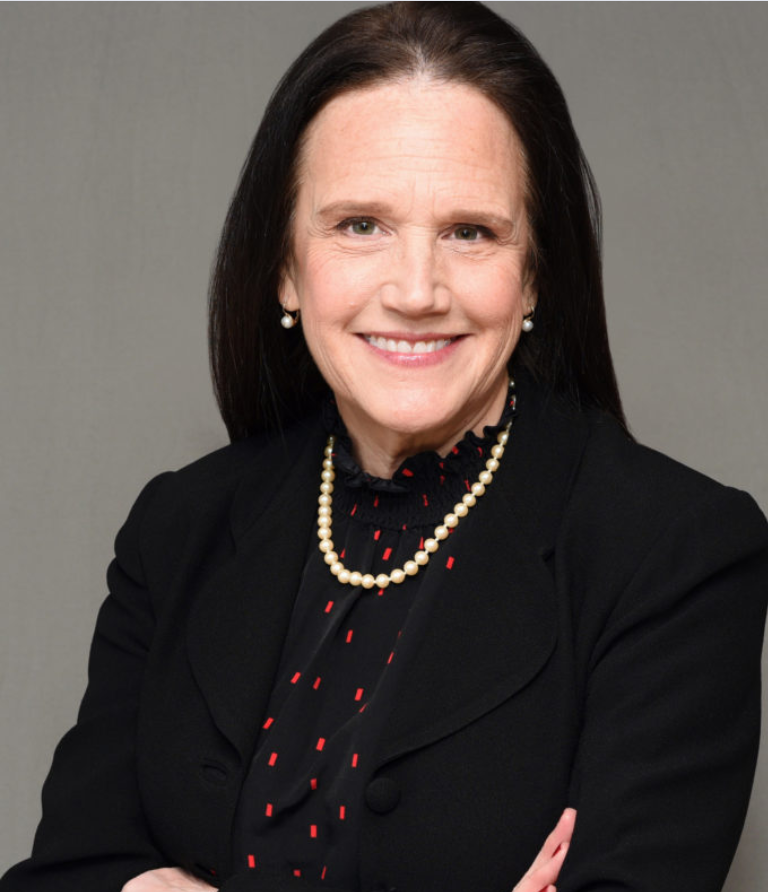
Jill M. Baren (2022- 2024)
The first woman in Lake Forest College's history to serve as president. She brought nearly 30 years of experience in academic medicine and higher education administration to the position. Before joining the College, she served as Provost and Vice President of Academic Affairs at the University of the Sciences in Philadelphia. Her academic career also included faculty appointments at the University of California, Los Angeles, Yale University, and the University of Pennsylvania. From 2019 to 2020, she served as president of the American Board of Emergency Medicine and published more than 90 scholarly articles in emergency medicine.
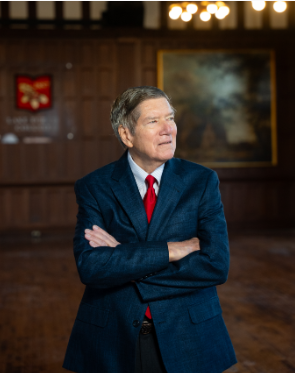
Robert D. Krebs (2024-2025)
American business executive and former railroad industry leader who served as Interim President. He joined the College’s Board of Trustees in 1990 and served twice as its chairman before assuming the interim presidency. Before entering higher education leadership, Krebs built a distinguished 35-year career in the American railroad industry. During his time at Lake Forest College, Krebs helped guide the institution through a presidential transition. He also supported the College's financial development and liberal arts mission. His interim presidency concluded with the appointment of Michael J. Sosulski as the College's fifteenth president in 2025.